Best Online Substance Abuse Counseling Degree Programs
Compare 30+ accredited online Substance Abuse Counseling programs, with net price after aid, graduation rates, earnings and debt from IPEDS and the U.S. College Scorecard.
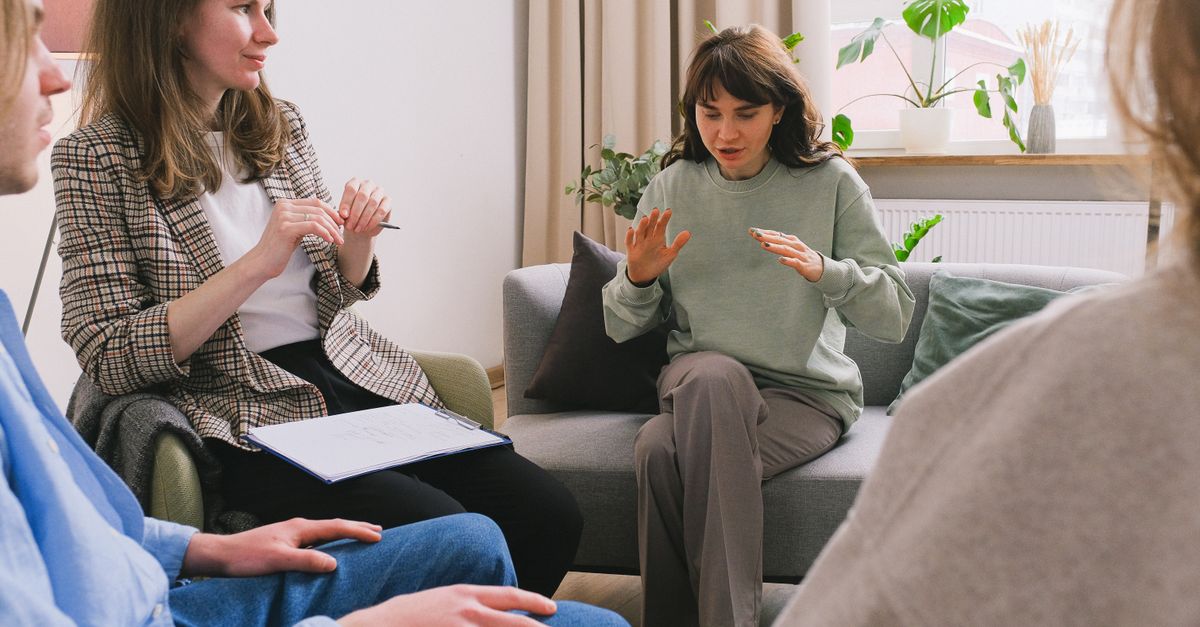
The credential path is the same on campus or online: a bachelor's plus supervised experience. Online delivery covers the coursework remotely; state boards still expect fieldwork, and students usually secure the placement in their own community.
Average net price at the fully online schools ranked here ranges from $4,831 to $25,648, a spread that decides affordability more than sticker tuition does.
Coursework travels well. Clinical placements do not.
Key Points
- UT Rio Grande Valley reports the lowest average net price: $4,831.
- Texas and Minnesota call some bachelor's-level addiction counselor credentials "licenses."
- Check institutional accreditation first; NASAC approval adds program-level assurance.
The 10 Best 100% Online Substance Abuse Counseling Degrees for 2027
Every program below is a fully online substance abuse counseling or addiction studies bachelor's degree, with no hybrid or in-person coursework required to finish. They appear in an order shaped by a blend of cost, student debt, earnings, completions, and graduation rate rather than by any single measure. Each entry gives the degree level, any concentration, the school's net price, and its graduation rate so you can compare programs on the same terms.
InterCoast Colleges-West Covina
#1West Covina, CA · ~$28,000/yr (est.)
Best for: Career changers with an associate degree
InterCoast Colleges is a for-profit career school whose West Covina campus also runs an online division. Its addiction studies bachelor's is designed for people who already hold a related associate degree and want to move into supervisory or management work in substance use disorder treatment. The school graduates 97% of students, and the net price is $27,536.
- 80-week bachelor's program
- Requires an earned related associate degree and a 2.0 GPA
- Focus on leadership and management in substance use disorder treatment
- Coursework for advanced roles in addiction and mental health services
The University of Texas Rio Grande Valley
#2Edinburg, TX · under $5,000/yr (est.)
Best for: Budget-conscious learners in Texas
The University of Texas Rio Grande Valley is a public university in Edinburg serving the Rio Grande Valley, and it produces a steady stream of addiction studies graduates for the region's treatment and prevention agencies. The bachelor's in addiction studies pairs prevention and treatment coursework with field-based training. The school graduates 51% of students, and in-state students see a net price of $4,831.
- Coursework in substance abuse prevention and treatment
- Trains students as addiction counseling specialists
- Covers how addiction affects families and communities
- Field-based, hands-on training built into the curriculum
University of Cincinnati
#3Cincinnati, OH · ~$26,000/yr (est.)
Best for: Aspiring Ohio chemical dependency counselors
The University of Cincinnati is a large public research university with a well-established online division. Its substance abuse counseling bachelor's is a 120-credit degree that maps onto Ohio's chemical dependency counselor credentials and lets experienced workers convert work experience and transfer credit into faster progress. The school graduates 75% of students, the net price is $25,648, and program graduates earned a median of $52,735 four years after finishing.
- 120 total credit hours
- Capstone required
- Meets Ohio CDCA certification requirements
- Non-internship track for experienced professionals
- Credit for work experience; up to 90 transfer credits
- Application fee waived through Spring 2027
- Fall, spring, and summer start dates
University of Mary
#4Bismarck, ND · ~$18,000/yr (est.)
The University of Mary is a private Catholic university in Bismarck, North Dakota, and its online arm is built around working adults. The addiction counseling bachelor's is aligned to North Dakota licensure requirements, priced per credit, and can be finished in under three years with transfer credit. The school graduates 67% of students, and the net price is $17,770.
- $510 per credit
- Complete in as few as 2.6 years with transfer credits
- Aligned with North Dakota licensure requirements
- 2.0 GPA minimum
- Military benefits and prior learning credit accepted
- Starts in fall, spring, or summer
University of North Georgia
#5Dahlonega, GA · ~$10,000/yr (est.)
The University of North Georgia is a public university with campuses across the northern part of the state. Its human services degree carries a substance addiction studies concentration with three semesters of field practicum, two of which must be in addiction settings. The school graduates 37% of students, and the net price comes to $9,823.
- CACREP accredited
- 120 total credit hours
- Three semesters of field practicum
- Two practicum placements must be in addiction studies
- 15 credit hours in the substance addiction studies concentration
- C or better required in all required classes
- A minor can replace elective coursework
Washburn University
#6Topeka, KS · ~$15,000/yr (est.)
Washburn University is a public university in Topeka, Kansas, with a long-standing human services department and a clear career ladder from associate through master's study. Its applied science degree in family and human services includes an addiction counseling concentration approved in Kansas and recognized by a national addictions body, with internships arranged in the student's own community. The school graduates 53% of students, the net price is $15,280, and program graduates earned a median of $48,327 four years after finishing.
- Approved by NAADAC and the Kansas Behavioral Sciences Regulatory Board
- 33 credit hours of addiction counseling coursework
- Internships arranged with approved agencies in your own community
- Prepares for Licensed Addiction Counselor (LAC) licensure in Kansas
- Two concentration options
- Fast-track option for licensed social workers
- Transfer credits accepted
University of Central Arkansas
#7Conway, AR · $15,000 – $20,000/yr (est.)
The University of Central Arkansas is a public university in Conway and the only institution in the state offering a bachelor's in addiction studies. The degree runs treatment and prevention tracks and prepares graduates for the Alcohol and Drug Counselor credential, with community college transfer paths that keep it accessible. The school graduates 54% of students, the net price is $16,511, and program graduates earned a median of $49,129 four years after finishing.
- Only university in Arkansas offering this degree
- Tracks: Treatment and Prevention
- Prepares for Alcohol and Drug Counselor certification
- 2.0 GPA minimum
- Associate degree transfer path available
- Prevention track requires prerequisite courses
- Graduates work in hospitals, outpatient clinics, schools, and drug courts
Ottawa University-Online
#8Overland Park, KS · ~$13,000/yr (est.)
Ottawa University is a private institution based in Kansas, and its online campus in Overland Park runs accelerated degrees for working adults. The addiction counseling bachelor's is a fast-format program with supervised practicum work and a capstone portfolio, and the school holds a Military Friendly designation. The school graduates 43% of students.
- Accredited by the National Addiction Studies Accreditation Commission
- Accelerated online format for working adults
- Practicum and internship included
- Capstone e-portfolio project
- Covers co-occurring disorders, harm reduction, and family dynamics
- Military Friendly School designation
Great Basin College
#9Elko, NV · ~$8,000/yr (est.)
Great Basin College is a public college in Elko, Nevada, serving a wide rural service area through distance learning. Its applied science degree in human services includes an emphasis in behavioral health, substance abuse, and addiction medicine that prepares students for Nevada's alcohol and drug counselor license. The school graduates 41% of students, and the net price is $8,471.
- 125 total credit hours
- Prepares for Nevada LADC licensure
- Practicum experiences plus a capstone seminar
- Fall start; applications due August 1
- Emphasis includes prevention strategies and case management
Midwestern State University
#10Wichita Falls, TX · $12,000/yr (est. net price)
Midwestern State University is a public university in Wichita Falls, Texas, and one of only a handful of Texas schools offering a bachelor's specifically in substance abuse counseling. The degree is competency-based and eligible for the Texas Affordable Baccalaureate, which keeps the price down for students who move through it quickly. The school graduates 43% of students, and the net price is $11,656.
- 120 total credit hours
- One of only four such programs in Texas
- Texas Affordable Baccalaureate eligible
- Competency-based online format
- Practicum and internship experiences
- Courses in adolescent substance abuse and counseling diverse populations
Cost & outcomes by school
Federal data for the highest-earning Substance Abuse Counseling programs, independent of the ranking above. Earnings are this field's bachelor's graduates four years after completing where the Scorecard reports them, else the school's undergraduate median.
| School | Net price / yr | Grad rate | Earnings | Debt | Grads/yr | Format |
|---|---|---|---|---|---|---|
| The University of Texas at Arlington TX | $13,951 | 54% | $63,199 | $17,527 | 3 | Hybrid |
| Arizona State University AZ | $14,967 | 68% | $62,668 | $19,500 | — | Online |
| Arizona State University AZ | — | — | $62,668 | $19,500 | — | Online or campus |
| University of Mary ND | $17,770 | 67% | $60,909 | $24,000 | 4 | Online |
| Midwestern State University TX | $11,656 | 43% | $55,747 | $21,030 | 2 | Online |
| Ottawa University-Online KS | — | 43% | $55,552 | $21,500 | 5 | Online |
| Ottawa University-Kansas City KS | — | — | $55,552 | $21,500 | 1 | Online |
| Ottawa University-Ottawa KS | $27,963 | 28% | $55,552 | $21,500 | — | Online |
| University of Cincinnati OH | $25,648 | 75% | $52,735 | $35,000 | 12 | Online |
| Averett University VA | $22,925 | 48% | $51,516 | $25,000 | — | Online |
| Grand Canyon University AZ | $22,472 | 44% | $51,490 | $31,432 | 795 | Online |
| University of North Georgia GA | $9,823 | 37% | $50,135 | $17,750 | — | Online or campus |
Sources: U.S. Department of Education. Net price, graduation rate, earnings and debt: College Scorecard (earnings and debt for this field's bachelor's graduates where reported, else school-wide); graduates: IPEDS. A dash means no figure is reported.
Cost, debt & payoff
Median earnings of this field's bachelor's graduates (4 yrs after completing, else the school's undergraduate median) vs. their median federal loan debt · U.S. College Scorecard
Across these programs the median graduate earns about $49,129 and finishes with roughly $22,239 in debt — a ratio that clears a common rule of thumb (keep debt below first-year salary). Net price and debt vary widely school to school, so check the per-school figures in the table above before you shortlist.
What Our Ranking Measures and What It Leaves Out
Every program ranked here is fully online, and the order reflects a blended quality score rather than any single number. A fully online format was the entry requirement, so hybrid programs were excluded outright.
The inputs are simple: federal data on what students pay after aid, median debt for graduates, earnings measured a set number of years after finishing, completion counts, and each school's overall graduation rate.
What the list cannot tell you
Graduation rate is school-wide, not program-specific. The net price column is an after-aid average, not a tuition quote. And even a 100% online curriculum can require supervised practicum hours near where you live.
Substance Abuse Counseling Degree Cost: Net Price, Debt, and Ways to Pay Less
Net price, not sticker tuition, decides whether an online substance abuse counseling degree is affordable. Among the schools here, the University of Texas Rio Grande Valley reports the lowest average net price at $4,831, followed by Purdue University Global at $7,770 and Great Basin College at $8,471. Those are after-aid averages, not the bill every applicant receives, and public institutions dominate the low end. Columbia Southern University, the private option, comes in at $14,580.
Ways to Pay Less
- Federal aid: the Pell Grant maximum is $7,395 for 2026-271, capped at 12 full-time terms of lifetime eligibility.2
- Military benefits: Tuition Assistance rules vary by branch, and the Post-9/11 GI Bill can apply to VA-approved online programs, though online-only housing payments differ from residential ones.
- Loan repayment: HRSA's STAR program awards up to $250,000 for six years of service3; NHSC's SUD program pays up to $75,000 full-time or $37,500 half-time for three years at an approved facility.4 Both require a license, not just enrollment.
Ask treatment-center employers about tuition reimbursement before enrolling. Many entry-level technician roles qualify.
Related Articles
Accredited Online Substance Abuse Counseling Programs: Which Approvals Actually Matter
Start with institutional accreditation from a body recognized by the U.S. Department of Education or CHEA. It is the baseline for federal aid, transfer credit, and acceptance by certification boards, and no addiction-specific approval replaces it.
At the program level, look for NASAC accreditation, which reviews addiction-studies curriculum. Purdue Global, for example, lists its BS in Psychology in Addictions as NASAC-accredited for 2026-2027.1 Also look for NAADAC Approved Education Provider status, which many state boards and NCC AP accept. It covers educational offerings, not the whole degree.
Do not expect CACREP on bachelor's listings. It accredits master's and doctoral counseling programs only.
Finally, ask whether your state certification board pre-approves the coursework. Boards set their own rules, and confirming this early can spare you documentation problems later.
Substance Abuse Counselor Certification Requirements by State
Most states credential bachelor's-level addiction counselors through certification, while independent clinical licensure often requires a master's degree. Some states, such as Texas and Minnesota, use the word "license" for credentials that accept a bachelor's. In New York, a degree can reduce the work hours you need. These requirements reflect 2026 sources and change often, so confirm current education, hour, and exam rules with your state board before you enroll.
| State | Bachelor's-Level Credential | Education Requirement | Supervised Hours | Exam | Issuing Board |
|---|---|---|---|---|---|
| California | Certified Alcohol and Drug Counselor (CADC) | Bachelor's or master's pathway; required education hours vary by pathway | N/A | N/A | California Department of Health Care Services oversees certification; credentialing bodies include CCAPP |
| Texas | Licensed Chemical Dependency Counselor (LCDC) | Bachelor's degree plus 300 hours of approved education | 4,000 hours | IC&RC ADC exam | Texas Health and Human Services |
| Florida | Certified Addiction Professional (CAP) | Bachelor's degree or higher plus 350 hours of training | 6,000 hours of relevant work experience | N/A | Florida Certification Board |
| New York | Credentialed Alcoholism and Substance Abuse Counselor (CASAC) | 350 educational hours; high school diploma or GED minimum | 6,000 hours on the general pathway; a degree can reduce required work hours | N/A | N/A |
| Illinois | Certified Alcohol and Drug Counselor (CADC) | Bachelor's degree plus 300 hours of education | 4,000 hours | N/A | N/A |
| Minnesota | Licensed Alcohol and Drug Counselor (LADC) | Bachelor's or master's degree plus 18 semester credits or 270 clock hours of alcohol and drug coursework | 880 clock hours of supervised practicum, or 2,000 hours of postdegree supervised practice on a specified exam route | IC&RC Alcohol and Other Drug Abuse Counselor written exam, or a board-approved equivalent | Minnesota Board of Behavioral Health and Therapy |
Quick Answers: Program Length, No-Residency Formats, and Practicum Hours
Online programs are converging on the same 120-credit format, but the fine print on pace, transfers, and fieldwork still differs by school.
How long does an online bachelor's in addiction counseling take?
Most programs require 120 semester credits, which usually means about four years of full-time study. Transfer students in degree-completion tracks can finish sooner, and Indiana Wesleyan advertises completion in as little as two years.
Can you earn the degree with no residency?
Coursework is fully online, but most programs still require a practicum or internship in person. Students typically complete hours at an approved local treatment provider or counseling agency under an authorized supervisor, with documentation reviewed by the school. Indiana Wesleyan states 350 clinical hours, so confirm each program's requirement.
How many transfer credits are accepted?
Caps vary. University of Cincinnati accepts up to 90 credits, while City Vision allows up to 75 percent of the degree to transfer.
Substance Abuse Counselor Pay in One Number
Jobs and Earnings After an Online Addiction Counseling Bachelor's Degree
The Bureau of Labor Statistics lists a bachelor's as the typical entry credential for substance abuse and behavioral disorder counselors. It adds that some positions accept a high school diploma and others require a master's. SAMHSA describes a similar spread for certified addiction counselors.1 Bachelor's-level work usually means supervised or support roles: certified addiction counselor where state rules allow, case management, recovery support, and prevention. Duties vary by employer and state.
Independent practice is different. A bachelor's does not authorize it,1 and clinical licenses such as the LPC or LCADC generally require a master's, supervised clinical experience, and an exam.2
Program-level Scorecard earnings for graduates in this field run $57,701 four years after completion at Southern New Hampshire University, $52,735 four years out at the University of Cincinnati, and $50,200 five years out at the University of Central Arkansas. Compare them with the BLS occupational median, which spans all education levels.
The practical ladder: bachelor's, then state certification, then an optional master's for licensure.
Questions to Ask Yourself
Will your state board accept a bachelor's for the top certification tier?
Does the program help place you in a practicum site near home?
Do you want a standalone addiction major or a broader degree with a concentration?
How many of your existing credits will transfer?
Substance Abuse Counseling programs by state
Compare Substance Abuse Counseling programs on the data that matters
Explore more Counseling majors or browse every field of study.
All Counseling programs Browse every field of study