Best Forensic Science Schools in Missouri
Compare 8 accredited Forensic Science programs in Missouri at 7 colleges, with net price after aid, graduation rates, earnings and debt from IPEDS and the U.S. College Scorecard.
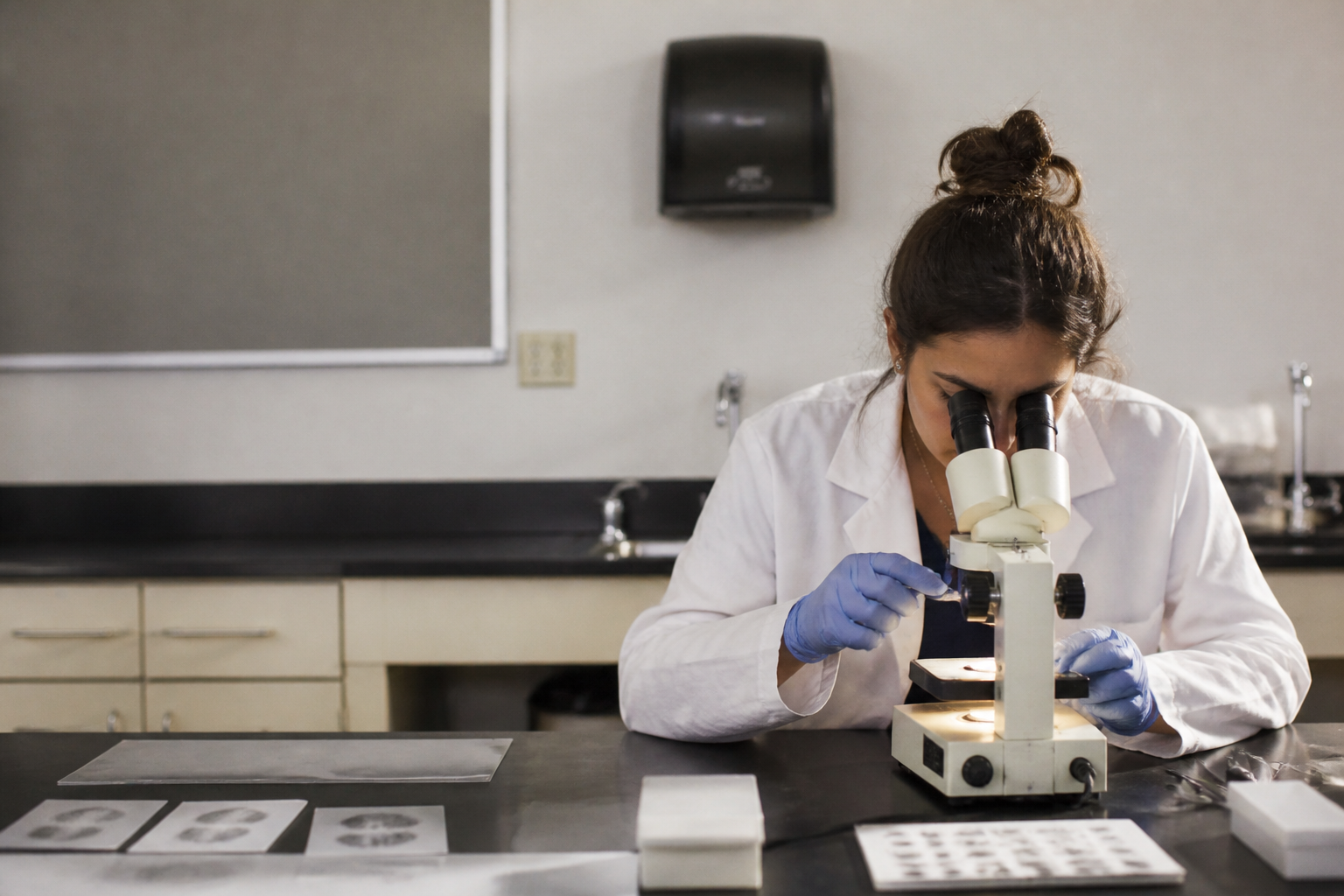
Does a Missouri forensic science education have to carry that name on the diploma? Not always. Missouri schools award the bachelor's degree in forensic science as a Bachelor of Science (B.S.) or a Bachelor of Arts (B.A.), and some deliver equivalent training through a chemistry or criminal justice major with a forensic concentration. Campus and online programs sit side by side in that comparison, because the chemistry and biology lab hours, not the delivery format, do most of the work. Hiring is the tighter constraint: crime lab and medical examiner posts run through civil service lists, background investigations and internships.
Key Points
- Saint Louis University awards a stand-alone Forensic Science B.S. in St. Louis.
- Missouri Baptist and Missouri Southern State embed forensic study in chemistry.
- For online or blended study, look at Columbia College, Lindenwood or Culver-Stockton.
Best Bachelor's in Forensic Science Schools in Missouri, Ranked
Missouri has seven colleges that award a bachelor's degree in forensic science, or a chemistry or criminal justice degree with a forensic concentration. They range from a dedicated B.S. in St. Louis with FEPAC-aligned coursework to chemistry-heavy tracks at smaller private and public campuses. Each card below gives location, delivery format, concentration, in-state tuition, net price after aid and the institution's overall graduation rate, which describes the school rather than the forensic program alone.
Saint Louis University
#1Saint Louis, MO · $24,000/yr (est. net price)
Best for: Students targeting DNA and crime lab work
Saint Louis University has grown its forensic science enrollment sharply, from 15 majors in 2016 to 158 at the start of the 2025-26 academic year, and it teaches the degree in roughly 4,000 square feet of dedicated labs on its St. Louis campus. Undergraduates choose a criminalistics track built for DNA, drug chemistry, toxicology and trace evidence work, or a crime scene investigation track, and every student completes an internship, capstone or research project. The department ties coursework to St. Louis area forensic laboratories and to outside projects, including cold case and missing-person work.
- At least 76 major credits, 60 in the concentration, 120 to graduate
- DNA analysis, drug chemistry, toxicology and trace evidence courses
- Internship, capstone or research required before graduation
- Curriculum follows FEPAC accreditation standards
- About 4,000 square feet of teaching and research labs
- 2.00 GPA required in major coursework
- Prepares students for graduate or professional school as well as lab work
- Second concentration option inside the same B.S. in Forensic Science
- Accelerated bachelor's to master's pathway available
- Crime scene documentation, evidence handling and testimony focus
- Forensic Science Club plus an honor society chapter
- Agency and laboratory connections across the St. Louis metro
- Fieldwork or research built into the degree plan
Missouri Baptist University
#2Saint Louis, MO · $25,000 – $30,000/yr (est.)
Best for: Chemistry-focused students eyeing forensic labs
Missouri Baptist University treats forensics as a chemistry discipline rather than a criminal justice one, awarding a Bachelor of Arts in Chemistry with a forensic science concentration on its St. Louis campus. The 62-credit major stacks 30 credits of chemistry beyond the general sequence on top of 18 credits of criminal justice coursework in criminal investigation, criminal law and procedure, and evidence. Graduates are prepared for forensic chemistry graduate study and for toxicology, DNA and crime scene roles in analytical laboratories.
- 62 credit hours, including 30 in chemistry beyond the general sequence
- 18 credits of criminal justice, from criminal investigation to evidence
- Analytical chemistry, molecular modeling and chemistry research courses
- 8 credits of physics plus Calculus I and probability and statistics
- Training to present laboratory findings in court
- Prepares graduates for forensic chemistry graduate study
- Career paths include toxicologist, DNA analyst and crime scene investigator
Columbia College
#3Columbia, MO · ~$23,000/yr (est.)
Best for: Working adults needing online forensic classes
Columbia College offers its forensic science bachelor's degree both in seat at its Columbia campus and fully online, a combination few Missouri programs match. Students pick a biology emphasis for genetics, molecular biology and DNA analysis or a chemistry emphasis, and the coursework runs through fingerprint identification, drugs and toxicology, explosives chemistry, advanced instrumentation and expert testimony. The college encourages pairing the major with a related minor to widen job options.
- Two emphases: biology or chemistry
- Biology track covers genetics, biochemistry, molecular biology and recombinant DNA
- Statistics coursework built for forensic DNA analysis
- Fingerprint identification, drugs and toxicology, explosives chemistry
- Advanced instrumentation and expert testimony coursework
- Available in seat at the Columbia, Missouri campus or fully online
- College encourages pairing the major with a related minor
Southeast Missouri State University
#4Cape Girardeau, MO · $16,000/yr (est. net price)
Southeast Missouri State University in Cape Girardeau runs a Bachelor of Science in Forensic Science with a forensic biology option, an 84 to 88 credit major that requires no minor. Core courses plus the biology option add up to a laboratory-heavy degree with two credits of experiential learning built in, and students need a 2.00 GPA in the major and overall to graduate. It is the most direct public-university forensic science degree on this list, with in-state tuition well below the private options.
- 84 to 88 credit major with no minor required
- Core courses total 59 to 61 credit hours
- Forensic Biology option adds 19 hours plus 6 to 8 hours of electives
- 2.00 GPA required in the major and overall to graduate
- Two credits of experiential learning included in the degree plan
- Career paths include DNA analyst and law enforcement agency labs
Missouri Southern State University
#5Joplin, MO · $12,000/yr (est. net price)
Missouri Southern State University in Joplin teaches forensic science as an emphasis inside its Bachelor of Science in Chemistry, one of four chemistry tracks students can choose. The emphasis applies chemical and analytical methods to criminal investigation and evidence analysis, so the degree leans on instrumentation and wet chemistry rather than criminal justice coursework. It suits readers who want a chemistry credential with forensic applications instead of a stand-alone forensics major.
- One of four Bachelor of Science emphasis areas in chemistry
- Applies chemical and analytical methods to criminal investigation
- Evidence analysis and instrumentation at the center of the track
- Sits alongside biochemistry, health professional and professional tracks
- Same department also offers a Bachelor of Arts in Chemistry
- Certificates in Chemical Laboratory Sciences available in the department
Lindenwood University
#6Saint Charles, MO · ~$20,000/yr (est.)
Lindenwood University in Saint Charles lists a Bachelor of Arts in Chemistry with a forensics emphasis among its criminal justice offerings, alongside criminology and criminal justice and a law enforcement academy track. Course topics span forensic science, criminal law, criminological theory, the court system, corrections, criminal behavior and national security. The university dates to 1827, and graduates move toward law enforcement, corrections, local government and federal agency roles.
- One of four bachelor's options grouped with criminal justice programs
- Forensic science, criminal law and criminological theory among course topics
- Coursework also covers the court system, corrections and national security
- Graduates pursue law enforcement, corrections and federal agency roles
- University founded in 1827
Culver-Stockton College
#7Canton, MO · ~$22,000/yr (est.)
Culver-Stockton College in Canton awards a Bachelor of Science in Criminal Justice with a forensic science specialization, and students can finish it fully online or on campus. The curriculum mixes criminal behavior, social control and justice ethics with mock interviews, interrogations and crime scene analysis, then closes with an internship at a law enforcement agency, corrections department or social organization. A portfolio review can convert up to 31 credits of law enforcement or military experience into college credit, which shortens the path for working officers.
- Fully online or on campus in Canton, Missouri
- Portfolio review accepts up to 31 credits for law enforcement or military service
- Mock interviews, interrogations and crime scene analysis in coursework
- Internship with a law enforcement agency, corrections department or social organization
- Criminal behavior, social control and justice ethics core
- Alpha Phi Sigma honor society, Mock Trial Team and Mediation Team
- Travel study courses on law enforcement topics
- Forensic accounting minor available
Cost & outcomes by school
Federal data for the highest-earning Forensic Science programs, independent of the ranking above. Earnings are this field's bachelor's graduates four years after completing where the Scorecard reports them, else the school's undergraduate median.
| School | Net price / yr | Grad rate | Earnings | Debt | Grads/yr | Format |
|---|---|---|---|---|---|---|
| Saint Louis University MO | $24,398 | 80% | $70,783 | $25,000 | 20 | Campus |
| Lindenwood University MO | $19,638 | 49% | $53,278 | $26,000 | — | Online or campus |
| Missouri Baptist University MO | $27,006 | 48% | $46,660 | $22,500 | 9 | Campus |
| Culver-Stockton College MO | $21,983 | 39% | $46,092 | $26,000 | — | Online or campus |
| Columbia College MO | $22,715 | 42% | $45,378 | $23,879 | 6 | Online or campus |
| Southeast Missouri State University MO | $15,882 | 58% | $44,030 | $21,500 | — | Campus |
| Missouri Southern State University MO | $12,007 | 42% | $42,620 | $19,174 | — | Campus |
Sources: U.S. Department of Education. Net price, graduation rate, earnings and debt: College Scorecard (earnings and debt for this field's bachelor's graduates where reported, else school-wide); graduates: IPEDS. A dash means no figure is reported.
Cost, debt & payoff
Median earnings of this field's bachelor's graduates (4 yrs after completing, else the school's undergraduate median) vs. their median federal loan debt · U.S. College Scorecard
Across these programs the median graduate earns about $46,376 and finishes with roughly $24,440 in debt — a ratio that clears a common rule of thumb (keep debt below first-year salary). Net price and debt vary widely school to school, so check the per-school figures in the table above before you shortlist.
How We Ranked Missouri Forensic Science Schools
College Scorecard, the U.S. Department of Education's public database, supplies the figures behind this list. We filtered it to bachelor's programs at Missouri schools and included both campus and online options, so a school qualifies either way.
What Set the Order and What Is Context
Program-level figures, graduate earnings and debt tied to this specific field of study, carry the most weight where a school reports them. Institution-wide figures describe the whole college, not the forensic science program, so they serve as background and do not decide placement.
Two caveats matter when you read the numbers:
- Net price: This is a sector average, not a figure for a single program. Your own cost depends on your aid package.
- Graduation rate: This covers the entire institution, so it says little about forensic science students in particular.
Majors, Concentrations and Credentials
Each program appears under the name and credential its school uses. Saint Louis University awards a B.S. in Forensic Science, and Columbia College lists Forensic Science as a major. Southeast Missouri State University offers Forensic Science with a forensic biology focus.
Some schools place forensic science inside another degree. Missouri Baptist University offers a forensic science concentration within Chemistry, and Missouri Southern State University offers a forensic science emphasis within its Chemistry major. Lindenwood University's entry is a B.A. in Chemistry, and Culver-Stockton College's is Criminal Justice. Check each school's catalog to see how much forensic coursework a track includes before you compare it with a dedicated major.
Forensic Science Majors, Minors and Concentrations at Missouri Colleges
Which Missouri colleges offer forensic science majors depends on how you define "major." Some schools here offer a stand-alone forensic science degree. Others fold forensic training into a chemistry or criminal justice degree. Knowing which is which helps you read program pages accurately.
Dedicated Forensic Science Majors
Three schools on this page offer a program named for the field:
- Saint Louis University: a Forensic Science, B.S.
- Columbia College: a Forensic Science program.
- Southeast Missouri State University: Forensic Science with a Forensic Biology focus.
Concentrations Inside Chemistry and Related Degrees
Missouri Baptist University offers a Chemistry degree with a Concentration in Forensic Science. Missouri Southern State University offers a Chemistry major with a Forensic Science Emphasis. Lindenwood University lists a Chemistry, BA, which is a chemistry-based route rather than a degree titled forensic science. Culver-Stockton College approaches the field through Criminal Justice, which suits students aiming at investigative or law enforcement work more than laboratory analysis.
Minors, and Programs to Verify
Some Missouri institutions list forensic science only as a minor, not a major. One example is a 19-credit, on-campus minor that requires a C or higher in each course and sits alongside a criminal justice degree rather than replacing it. Program names and offerings also change, so check the current catalog for the degree type (B.S. or B.A.) before you apply. This is especially important for any school not covered here, because we could not confirm major, minor or concentration status for every campus in the state.
Is a Chemistry Degree with a Forensic Concentration as Strong?
Often, yes. Crime laboratories commonly look for solid coursework in chemistry, biology or another natural science, and a forensic emphasis inside a chemistry degree delivers that foundation while adding crime-scene and evidence topics. It also keeps graduate study and non-forensic lab careers open if your plans shift. A dedicated major can offer more forensic-specific courses and lab time. Whichever route you choose, ask each program about hands-on casework training, internships with local agencies, and whether the program holds FEPAC accreditation, a national standard for forensic science education.
Online, Hybrid and Campus Bachelor's in Forensic Science Options at Missouri Schools
Columbia College, Lindenwood University and Culver-Stockton College list online or blended delivery in our data, while the other schools here are campus programs. Because forensic coursework leans on chemistry, biology and crime scene practice, plan on at least some in-person lab or field work even at schools with online options; Columbia College's page, for example, describes flexible online and in-seat delivery but does not say whether its forensic pathway can be finished fully online or what lab, residency or practicum rules apply. Where a program page does not spell out its lab or residency requirements, the table says so, and you should confirm the details with admissions before you enroll.
| School | Program | Location | Delivery format | Labs, fieldwork and in-person requirements |
|---|---|---|---|---|
| Saint Louis University | Forensic Science, B.S. (Criminalistics or Crime Scene Investigation concentrations) | St. Louis, MO | Campus | Fieldwork, internships and research required; program cites 4,000 square feet of labs; residency and practicum rules not stated on the program page |
| Missouri Baptist University | Chemistry, Concentration in Forensic Science | St. Louis, MO | Campus | Coursework in analytical chemistry and modern instrumentation; specific lab and residency requirements not stated |
| Columbia College | Bachelor's in Forensic Science (biology or chemistry emphasis) | Columbia, MO | Online, campus and hybrid | In-seat classes offered at the Columbia campus; lab, residency and practicum requirements not stated on the program page |
| Southeast Missouri State University | Forensic Science: Forensic Biology | Cape Girardeau, MO | Campus | Includes 2 credits of experiential learning; specific lab and residency requirements not stated |
| Missouri Southern State University | Chemistry Major, Forensic Science Emphasis | Joplin, MO | Campus | Lab, residency and practicum requirements not stated |
| Lindenwood University | Chemistry, B.A. (Forensics concentration) | St. Charles, MO | Campus and online options listed | Lab, residency and practicum requirements not stated; confirm which chemistry courses require campus attendance |
| Culver-Stockton College | Criminal Justice (Forensic Science concentration) | Canton, MO | Campus, with a fully online option | Internship with a law enforcement agency; mock crime scene analysis activities; lab and residency rules for the online option not stated |
Related Articles
Admissions for a Bachelor's Degree in Forensic Science in Missouri
Admission to a Missouri forensic science program usually happens in two steps. First you are admitted to the university, then you declare or are placed in the major. Standards differ by campus and change over time, so read each school's current undergraduate admissions page before you apply. If a school does not post a minimum GPA, a test policy or a transfer rule, ask the admissions office directly rather than assuming there is no standard.
What to Check on Each Admissions Page
For Saint Louis University, Missouri Baptist University, Columbia College, Southeast Missouri State University, Missouri Southern State University, Lindenwood University and Culver-Stockton College, look for four things:
- GPA expectations: A minimum high school GPA, a recommended range, or holistic review with no fixed cutoff.
- Test policy: Whether ACT or SAT scores are required, optional, or used only for scholarships and placement.
- Deadlines: Priority dates for scholarships and housing often fall well before the final application deadline.
- Major-level rules: Some programs require a set GPA or grade in science courses before you move into upper-level forensic coursework.
Science and Math Preparation
Most forensic paths at these schools are built on chemistry or biology. Missouri Baptist, Missouri Southern and Lindenwood place forensic study within chemistry, and Southeast Missouri State offers a forensic biology option. That means the first two years lean heavily on general chemistry, biology and college math. In high school, take chemistry and biology with labs, and push math as far as you can, ideally through precalculus. Students who arrive underprepared in math often lose a semester catching up before starting the chemistry sequence. Culver-Stockton approaches the field through criminal justice, so confirm its course sequence with the department.
Transferring From a Community College
Transfer applicants are generally judged on college GPA once they have completed a set number of credits.1 With fewer credits, high school records may still count. Lab science credit is where transfers most often lose time, because a general chemistry course may transfer only as an elective instead of the major's required course.2
Before you enroll in community college science courses, ask your target school's transfer office whether those specific chemistry, biology and math courses satisfy forensic science major requirements. Completing Missouri's CORE 42 general education block can also help your general education move with you to participating schools, freeing later semesters for the science sequence.
Choosing the Right Missouri Forensic Science School for Your Career Goals
Most forensic science jobs fall under one occupation, forensic science technician, but the daily work splits into biology, chemistry and crime scene tracks. Pick the school whose coursework matches the track you want. Saint Louis University and Columbia College offer degrees titled Forensic Science, so check each curriculum to see which track it leans toward. The wage figures below describe the occupation in Missouri as a whole, not any single emphasis or school.
| Factor | Biology emphasis (DNA and serology) | Chemistry emphasis (trace and drug analysis) | Criminal justice emphasis (crime scene work) |
|---|---|---|---|
| Typical duties | Biological analyses of evidence and review of DNA results from materials such as hair and skin cells | Chemical analyses of evidence, with consultation of toxicology specialists | Analyzing crime scenes, documenting evidence, collecting and preserving items, and reconstructing scenes |
| Evidence handled | Biological fluids, tissue, hair, fiber, wood and soil residues | Weapons and substances, including fibers, hair and tissue | Physical evidence collected and preserved so its integrity holds up |
| Core work activity | Analyze biological samples | Identify and quantify drugs or poisons in fluids, tissues, foods or crime scenes | Examine crime scenes and analyze the evidence found there |
| Missouri programs in our data | Southeast Missouri State University: Forensic Science, Forensic Biology | Missouri Baptist University: Chemistry with a Forensic Science concentration; Missouri Southern State University: Chemistry with a Forensic Science emphasis; Lindenwood University: Chemistry, BA | Culver-Stockton College: Criminal Justice |
| Missouri median wage (2025) | $62,750 per year, or $30.17 per hour (occupation-wide) | $62,750 per year, or $30.17 per hour (occupation-wide) | $62,750 per year, or $30.17 per hour (occupation-wide) |
| Best fit if you enjoy | Laboratory work with biological samples and genetic evidence | Instrument-based testing, reagent preparation and interpreting lab findings | Fieldwork, evidence collection and investigative documentation |
Compare Forensic Science programs on the data that matters
Explore more Criminal Justice & Law majors or browse every field of study.
All Criminal Justice & Law programs Browse every field of study