Best Public Health Schools in Arkansas
Compare 5 accredited Public Health programs in Arkansas, with net price after aid, graduation rates, earnings and debt from IPEDS and the U.S. College Scorecard.
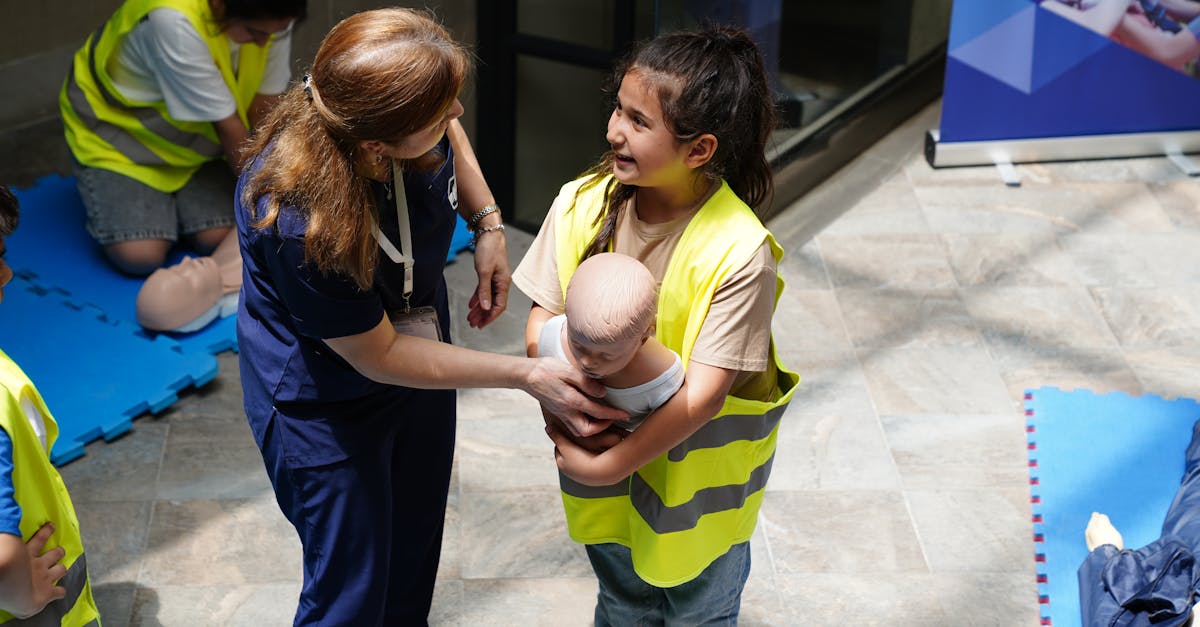
Prestige alone rarely decides where Arkansas students earn a public health bachelor's degree. The choice usually comes down to a trade: a nationally recognized accreditor on one side, a lower sticker price or a fully online format on the other. Arkansas students pursue the field because the state's health workforce needs are real, and its public universities keep in-state tuition relatively affordable.
The common credential is the Bachelor of Science (B.S.) in Public Health, though some schools house the coursework under health promotion or health and exercise science.
That naming difference matters. It affects accreditation, career paths and which entry-level roles a graduate can realistically pursue.
Key Points
- The University of Arkansas holds the only CEPH-accredited program ranked here.
- Arkansas State charges $302 per credit hour for its online B.S.
- In-state tuition stays near $10,000 yearly, but net price matters more.
Best Public Health Schools in Arkansas: Our Ranked List
What is the best public health school in Arkansas? The University of Arkansas in Fayetteville takes the top spot, as the only program on this list accredited by the Council on Education for Public Health. The four schools behind it each answer a different need: a flexible online route at Arkansas State, an interdisciplinary science base at Southern Arkansas, a certification-ready health promotion track at Central Arkansas, and an exercise-science home at Arkansas Tech. Every card below shows in-state tuition, average net price after aid, and a school-wide graduation rate, so compare the programs on the numbers that follow you after graduation.
University of Arkansas
#1Fayetteville, AR · ~$18,000/yr (est.)
Best for: Students drawn to community health promotion
The state's flagship campus in Fayetteville, and the only program on this list accredited by the Council on Education for Public Health. Its health behavior and health promotion concentration pairs an ecological approach to disease prevention with practicum and internship coursework, and faculty hold research ties to the University of Arkansas for Medical Sciences, including a statewide health survey that feeds a public dashboard on Arkansas health inequities. Students leave prepared for worksite health promotion, community health education, or graduate study in medicine, therapy, or public health. Program graduates report median earnings of $67,891 four years after completion, against median debt of $23,000.
- Concentration in Health Behavior and Health Promotion
- Accredited by the Council on Education for Public Health
- Includes practicum and internship courses
- Explores social determinants of health
- Ecological approach to disease prevention
- Prepares for worksite health promotion careers
- Pathway to graduate health study
- Also leads to community health education roles
Arkansas State University
#2Jonesboro, AR · $8,000 – $15,000/yr (est.)
Best for: Working adults seeking fully online study
In Jonesboro, Arkansas State runs a 120-credit public health bachelor's that blends epidemiology, health education, and healthcare systems coursework, taught in part by faculty who have served in national health agencies. Admission is straightforward for a public health program, at a 3.0 GPA with a 2.0 floor for transfer students, and the curriculum builds data analysis, community outreach, and program planning skills for state and federal health departments, hospitals, and nonprofits. Entering students start each August.
- 120 total credit hours
- 3.0 GPA minimum, 2.0 for transfer students
- ACT or SAT scores required with application
- $30 application fee
- Faculty with experience in top U.S. health agencies
- Coursework in epidemiology and health education
- Covers healthcare systems and program planning
Southern Arkansas University
#3Magnolia, AR · $10,000 – $15,000/yr (est.)
Best for: Hands-on learners wanting interdisciplinary science coursework
Southern Arkansas University in Magnolia takes a deliberately interdisciplinary route, pairing public health foundations with coursework in nursing, biology, psychology, sociology, health sciences, and recreation. The 120-credit curriculum covers epidemiology, healthcare policy, research for evidence-based practice, and program planning, capped by an upper-level internship that places students with community organizations. It suits students who want a broad science base and hands-on field experience before entering a health department, hospital, school, medical office, or nonprofit.
- 120 total credit hours
- Interdisciplinary curriculum drawing on nursing and biology
- Upper-level public health internship included
- Coursework in epidemiology and healthcare policy
- Research methods for evidence-based practice
- Program planning for community health
- Path to advanced public health degrees
University of Central Arkansas
#4Conway, AR · $15,000 – $20,000/yr (est.)
The University of Central Arkansas in Conway offers a health promotion bachelor's that draws on physical, psychological, social, and environmental sciences and prepares graduates to sit for the Certified Health Education Specialist exam. A required internship and an optional health coaching certificate add applied credentials on top of coursework in epidemiology, community health, program planning, and administration. A minor lets students in other majors add health promotion study, and graduates move into hospitals, clinics, health departments, schools, and industry wellness programs.
- Prepares students for the CHES certification exam
- Health Coaching certificate available
- Required internship built into the degree
- Coursework in epidemiology and community health
- Covers program planning and administration
- Minor in Health Promotion offered
- Leads to hospital, clinic, and school health roles
Arkansas Tech University
#5Russellville, AR · $10,000 – $15,000/yr (est.)
Arkansas Tech University in Russellville houses public health as an option inside its health and exercise science bachelor's, so students pair community health coursework with exercise and wellness science. The 121-credit program covers needs assessment, health disparities, program planning, data collection and analysis, health communication, and policy advocacy, and a senior-year internship supplies field experience across hospitals, clinics, health departments, and nonprofits. It is a practical fit for students aiming at entry-level health promotion roles or at graduate study in public health, with optional personal trainer and strength coach certifications layered on.
- 121 total credit hours
- Public Health Option within health and exercise science
- Community health needs assessment skills
- Covers health disparities and policy advocacy
- Data collection and analysis methods
- Senior-year internship for field experience
- Prepares for personal trainer certifications
- Designed for public health graduate admissions
Cost & outcomes by school
Federal data for the highest-earning Public Health programs, independent of the ranking above. Earnings are this field's bachelor's graduates four years after completing where the Scorecard reports them, else the school's undergraduate median.
| School | Net price / yr | Grad rate | Earnings | Debt | Grads/yr | Format |
|---|---|---|---|---|---|---|
| University of Arkansas AR | $18,209 | 71% | $67,891 | $23,000 | 156 | Campus |
| University of Central Arkansas AR | $16,511 | 54% | $45,938 | $20,346 | — | Campus |
| Arkansas State University AR | $12,366 | 55% | $42,617 | $20,500 | 5 | Online |
| Southern Arkansas University AR | $14,027 | 49% | $42,386 | $18,750 | 8 | Campus |
| Arkansas Tech University AR | $12,970 | 49% | $41,766 | $21,000 | — | Campus |
Sources: U.S. Department of Education. Net price, graduation rate, earnings and debt: College Scorecard (earnings and debt for this field's bachelor's graduates where reported, else school-wide); graduates: IPEDS. A dash means no figure is reported.
Cost, debt & payoff
Median earnings of this field's bachelor's graduates (4 yrs after completing, else the school's undergraduate median) vs. their median federal loan debt · U.S. College Scorecard
Across these programs the median graduate earns about $42,617 and finishes with roughly $20,500 in debt — a ratio that clears a common rule of thumb (keep debt below first-year salary). Net price and debt vary widely school to school, so check the per-school figures in the table above before you shortlist.
How We Ranked Arkansas Bachelor's Degree in Public Health Programs
The ranking weighs what a public health bachelor's degree at an Arkansas school actually costs and delivers, not reputation or marketing copy. The schools ranked here are judged on measures a prospective student can verify before depositing a tuition check.
What We Weighed
- Net price after aid: the average a first-time, full-time student pays once grants and scholarships are applied.
- Graduation and retention: whether students who start actually finish, and whether first-years return for a second year.
- Earnings and debt after graduation: what recent graduates earn and how much they borrowed to get there.
- Delivery format: whether the program runs on campus, online, or hybrid, since that shapes both cost and schedule.
- Accreditation context: whether the program sits inside a regionally accredited university and where public health specific accreditation applies.
The Limits Worth Knowing
Graduation rate and net price are school-wide figures, published for the whole institution rather than the public health major alone, and net price is an average across students who receive aid. Use both as a way to compare schools against each other, not as a quote for your own bill. Your actual cost depends on the aid package you are offered, your housing choice, and how many semesters you take to finish.
Why the List Stays in Arkansas
Every program here is a bachelor's program at an Arkansas school, offered on campus, online, or both. Bigger national names you may have searched for are absent because they do not meet that test. The University of Arkansas, Arkansas State University, Southern Arkansas University, the University of Central Arkansas, and Arkansas Tech University are the schools you will see.
How to Use It
Treat the ranking as a starting shortlist, then open each school's own program page to confirm the coursework, admission requirements, and tuition for the year you would actually enroll.
Online and Hybrid Bachelor's in Public Health Options at Arkansas Schools
Arkansas State University charges $302 per credit hour for its online B.S. in Public Health, or $906 per three-credit course, with fees included. You can earn a public health bachelor's degree online in Arkansas; among the schools on this list, A-State is the clear route. The University of Arkansas, Southern Arkansas University, the University of Central Arkansas and Arkansas Tech University list their public health or health promotion programs as on-campus. We found no confirmed hybrid public health bachelor's at the other schools, so ask their admissions offices if you need flexibility.
The Arkansas State Online Program
The degree requires 120 credits: 50 in the public health major, 35 in general education and 35 in electives. Courses run in an accelerated format. Summer terms last 5 weeks, and the 2026 schedule includes Fall 2, Spring 1 and Spring 2 starts, so you are not tied to a single August launch. Tuition is the same for all U.S. residents and may change from year to year.
Completion time depends mostly on transfer credit. A-State accepts up to 90 transfer hours, subject to admission evaluation, so a student with an associate degree could finish far sooner than someone starting from scratch. Freshmen also take a 3-hour Making Connections course.
Online vs. Campus
- Cost: Thirty credits a year at the online rate comes to $9,060. That is close to A-State's published in-state campus tuition and fees of $8,090, though online study can save on housing and commuting.
- Pace: Short accelerated terms let you focus on one or two courses at a time. Campus programs follow a traditional semester calendar.
- Practicum and internship: Campus programs at the University of Arkansas, Southern Arkansas University and the University of Central Arkansas build in practicum or internship courses, with local health departments and hospitals nearby. Ask A-State's advisors how an online student arranges a placement near home.
Who Benefits Most
Online study suits working adults who cannot leave a job for daytime classes. It also helps transfer students who want to apply a large block of earlier credit and rural students who live far from Jonesboro or Fayetteville. If you are a recent high school graduate who wants a residential experience, or a student who prefers in-person internships and faculty contact, a campus program may fit better.
Admissions Requirements for Arkansas Bachelor's in Public Health Programs
Getting into a public health bachelor's program at Arkansas's flagship is a two-step process: gain admission to the university, then earn your way into the major.
The General Pattern
The University of Arkansas is the only school here with detailed, official admissions rules available, and they lean on GPA more than test scores. Applicants with a high-school GPA of 3.20 or higher may be reviewed without ACT, SAT, Next Generation Accuplacer, or CLT results.1 Those below 3.20 should submit scores.1 For every other school on this list, no admissions policy was available to confirm, so check each admissions office directly before you apply.
School-by-School Snapshot
- University of Arkansas (B.S. in Public Health): Minimum GPA is 2.0 for transfer admission and 2.5 UA GPA for admission to the major.2 Test policy: ACT or SAT optional for a 3.20+ high-school GPA, otherwise scores expected.1 Transfer credit: 24 or more transferable hours with a 2.0 cumulative GPA; fewer than 24 hours means Transfer Freshman status.2
- Arkansas State University: Minimum GPA: No policy published. ACT/SAT: No policy published. Transfer credit: No policy published.
- Southern Arkansas University: Minimum GPA: No policy published. ACT/SAT: No policy published. Transfer credit: No policy published.
- University of Central Arkansas: Minimum GPA: No policy published. ACT/SAT: No policy published. Transfer credit: No policy published.
- Arkansas Tech University: Minimum GPA: No policy published. ACT/SAT: No policy published. Transfer credit: No policy published.
Transfer Credit Tips
At the University of Arkansas, every student, transfers included, must complete at least 12 UA credit hours at a 2.5 GPA to qualify for the major.3 Transfers must also send official transcripts from every college attended, even one where you earned no credit or don't want credit applied.4 The published pages set no universal cap on transferable hours and no course-by-course equivalency list for the public health degree.
So ask an advisor for a written credit evaluation before you enroll. Introductory science, statistics, and general education courses are the usual candidates to transfer, but confirm which ones count toward the major rather than only toward elective credit. Fewer than 24 hours completed? Expect to meet freshman criteria as well, so keep your high-school GPA and any test scores handy.
Cost of a Public Health Bachelor's Degree in Arkansas
In-state tuition for a public health bachelor's degree in Arkansas sits close to $10,000 a year, but published tuition is the wrong number to budget around. Net price, which counts housing, books and other costs and then subtracts grant aid, runs higher at every school here.
Tuition and Net Price at the Ranked Schools
- Arkansas State University: $8,090 in-state, $14,522 out-of-state, $12,366 average net price
- Arkansas Tech University: $8,674 in-state, $14,668 out-of-state, $12,970 average net price
- Southern Arkansas University: $9,960 in-state, $15,690 out-of-state, $14,027 average net price
- University of Arkansas: $10,104 in-state, $29,966 out-of-state, $18,209 average net price
- University of Central Arkansas: $10,523 in-state, $18,023 out-of-state, $16,511 average net price
The out-of-state gap matters most at the University of Arkansas, where nonresident tuition is nearly triple the in-state rate. Arkansas State has the lowest tuition and lowest net price among the schools ranked here.
Arkansas Academic Challenge Scholarship
This lottery-funded award is the state's main aid program for bachelor's students.1 For 2026, the Arkansas Division of Higher Education lists a $2,000 award for the freshman year.1 To qualify, you must be a U.S. citizen or permanent resident, have lived in Arkansas for the 12 months before enrolling, and attend an approved Arkansas institution full-time or part-time.2 Academic eligibility now runs through a Diploma of Merit or high school GPA. Full-time recipients must complete at least 27 semester hours in the first year and 30 each year after.3 Award amounts for later years are not fully set out in current state materials, so confirm them with ADHE before counting on them.
Arkansas Future Grant
ArFuture pays last-dollar aid (covering what remains after other grants) for certificate and associate programs in fields such as STEM, nursing, education, accounting and finance.4 It covers tuition and fees at two-year schools or up to $3,800 at four-year institutions, allows part-time study, caps at 75 credit hours and requires the FAFSA.1 Because it funds sub-baccalaureate programs, most students starting a public health bachelor's will not use it directly.
Stacking Aid to Lower Your Price
File the FAFSA early. One form puts you in line for Pell Grants, state aid and many school scholarships at the same time. Layer the Academic Challenge award on top of Pell, then apply for institutional scholarships; Arkansas State, for example, notes scholarships for its program. Keep in mind that every net price above is an average across aid recipients, not a quote. Run each school's net price calculator for an estimate tied to your own finances.
Related Articles
Accreditation: CEPH and Arkansas Bachelor's in Public Health Programs
Accreditation is an outside review confirming that a school or degree meets published quality standards. In public health, the specialized accreditor is the Council on Education for Public Health (CEPH). CEPH accredits two kinds of units: entire schools of public health and individual public health programs housed inside a larger college.2
Where the Ranked Schools Stand
Arkansas has a CEPH-accredited school of public health. The CEPH directory has listed it since May 13, 2004, with accreditation running through July 1, 2029.1 It is a separate academic health campus, not one of the bachelor's programs ranked here.
Among the schools on this list, CEPH status breaks down as follows:
- University of Arkansas: The CEPH directory lists the Fayetteville campus's Public Health Program as accredited from August 17, 2017, through July 1, 2029, with interim reporting required.2 That program houses the B.S. in Public Health. The directory does not separately classify the bachelor's degree as a standalone baccalaureate program.
- Arkansas State University, Southern Arkansas University, University of Central Arkansas and Arkansas Tech University: Our review did not confirm CEPH accreditation for these bachelor's programs. A degree titled health promotion or health and exercise science is not, on its own, evidence of CEPH status.
Every school here is an established public university. Institutional (regional) accreditation is what makes a school eligible for federal financial aid and helps your credits transfer.
Why a Non-CEPH Bachelor's Is Still Legitimate
A bachelor's degree does not need CEPH accreditation to count. Most undergraduate public health and health promotion programs nationwide operate without it, and employers hiring for entry-level health education, community outreach or program support roles rarely ask about it.
CEPH matters more at the graduate level. If you plan to earn an MPH, the accreditation status of the MPH program you choose carries real weight, including for certain credentials and federal jobs. Your undergraduate program's CEPH status is far less likely to affect admission than your GPA, coursework and experience.
How to Verify Status Yourself
CEPH maintains a public directory of accredited schools and programs on its website. Search by state or institution name, and check the accreditation dates and whether the listing covers a school or a program. Status can change between review cycles, so confirm before you apply.
Public Health Careers and Wages in Arkansas for Bachelor's Graduates
Bachelor's graduates in public health often move into health education, community health and epidemiology support roles, and the Arkansas Department of Health lists epidemiologists and health educators among its careers. Other employers include local health units, hospitals and health systems, nonprofits, and the job boards run by university career services. State-level wage and employment counts for these occupations were not available in the source we retrieved, so look them up directly: go to BLS.gov/OES, open the state data for Arkansas, select the occupation by name, and read the median annual wage and employment for the most recent year listed (May 2025 at the time of writing). For program outcomes, internships, job boards and salary context, check each school's program and career services pages along with SOPHE, APHA and the Arkansas Public Health Association. Confirm the date and geography of any figure you find, and ask admissions offices, career services or employer HR for the most current wage and hiring details.
| Occupation | Median Annual Wage (Arkansas) | Employment (Arkansas) | Typical Entry-Level Education |
|---|---|---|---|
| Health education specialists | Look up in BLS OES, Arkansas (May 2025) | Look up in BLS OES, Arkansas (May 2025) | Bachelor's degree |
| Community health workers | Look up in BLS OES, Arkansas (May 2025) | Look up in BLS OES, Arkansas (May 2025) | See BLS Occupational Outlook Handbook |
| Epidemiologists | Look up in BLS OES, Arkansas (May 2025) | Look up in BLS OES, Arkansas (May 2025) | See BLS Occupational Outlook Handbook |
CHES Certification and Arkansas Licensure for Public Health Roles
Does Arkansas require a license to work in public health?
For most roles, no. Arkansas imposes no blanket license across public health occupations, and requirements shift by employer and position. Community health worker roles may be open to candidates without a college degree.6
The National Credential: CHES
NCHEC awards the Certified Health Education Specialist credential. Eligibility begins with an accredited bachelor's degree and a transcript showing either a health education major or at least 25 semester credits (37 quarter) across the Nine Areas of Responsibility, with a C or better.1 Process courses may account for up to 12 semester credits, topic courses no more than 9, and other qualifying courses no more than 6.1 Associate coursework can count if a four-year institution accepted it. The exam is 175 multiple-choice questions (150 scored) over three hours, computer-based.2 The 2027 handbook lists a $250 early-bird student fee for students enrolled in at least 9 semester credits.3 Certification runs five years; renewal takes $60 annually plus 75 continuing education contact hours.4 MCHES is NCHEC's advanced credential, built for experienced practitioners rather than new graduates.
Where Arkansas Adds a Step
The state's Certified Health Educator classification requires a bachelor's in public health, health education, or a related field plus two years of experience; it names CHES or Certified Professional Health Educator and is issued through the Arkansas Board of Health Education under ACA 17-53-206.5 Available sources do not establish that every Arkansas health educator must hold it.
When the Credential Pays Off
Certification matters most for health educator titles, school and community programs, and government hiring, where a posting can screen on it. For broader public health roles, the degree and relevant experience carry more weight.
Choosing the Right Arkansas Bachelor's in Public Health Program for You
The right program is rarely the one with the lowest published tuition or the biggest name. It is the one that fits how you will attend, what you can realistically pay, and where you want to be four years from now. Those three answers point different students toward different schools.
Start With Format, Then Fit
- Campus-first students: University of Arkansas in Fayetteville and Arkansas State University in Jonesboro each offer a public health bachelor's on a large residential campus, with the lab spaces, advising and student organizations that come with it.
- Place-bound or working adults: Southern Arkansas University in Magnolia and the online and hybrid options at the schools ranked here are worth a close look. Before you commit, confirm that required lab science courses can be completed at a distance or in a nearby summer term.
- Health-focused students who are not set on the public health title: University of Central Arkansas awards a Bachelor of Science in Health Promotion and Arkansas Tech University a Bachelor of Science in Health and Exercise Science. Both lead toward community health and wellness work, so read the course sequence and compare how much of the curriculum overlaps with a public health major.
- Pre-med and pre-health students: prioritize programs with strong biology and chemistry prerequisites, shadowing connections and faculty research.
- Future MPH students: check whether the bachelor's sits within an accredited public health unit, since that can smooth the path into graduate study.
A Short Decision Framework
- Format: eliminate any program you cannot realistically attend.
- Net price: compare cost after aid, not sticker tuition.
- Accreditation: confirm the program's standing before ranking your choices.
- Admissions fit: check GPA expectations, test policy and how transfer credits are handled.
- Outcomes: look at completion rates, borrowing and early earnings.
What to Do Next
Narrow the list to two or three programs that pass your format and price filters. Request information from each, and ask two questions: how many of your existing credits will transfer, and where recent graduates are working now.
Compare Public Health programs on the data that matters
Explore more Healthcare majors or browse every field of study.
All Healthcare programs Browse every field of study