Best Forensic Science Schools in Minnesota
Compare 3 accredited Forensic Science programs in Minnesota, with net price after aid, graduation rates, earnings and debt from IPEDS and the U.S. College Scorecard.
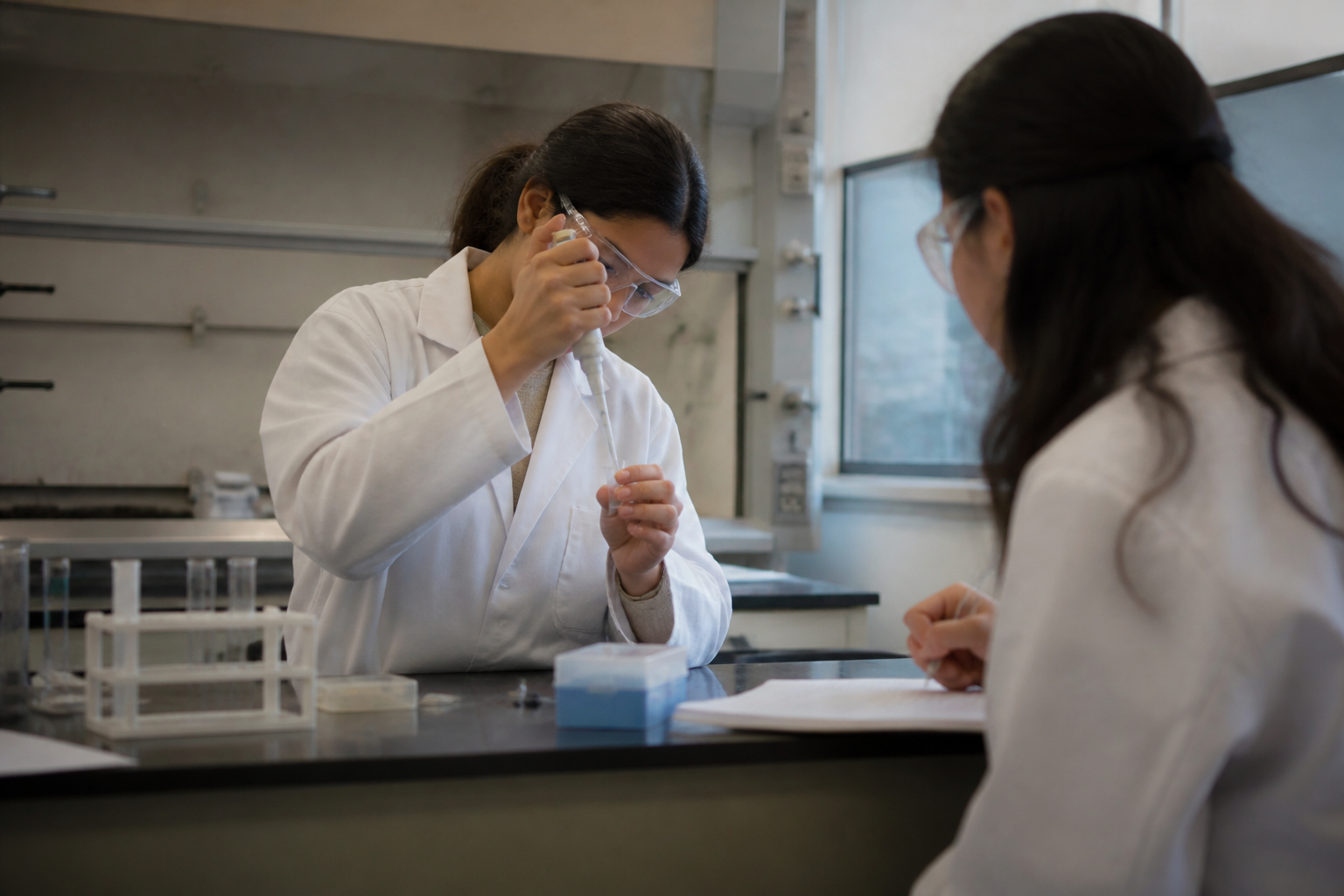
Minnesota keeps its forensic science options narrow. Hamline University in Saint Paul awards a Bachelor of Science (B.S.) or Bachelor of Arts (B.A.) in Forensic Science as a standalone major, while Bemidji State and Minnesota State Moorhead fold the same chemistry-heavy coursework into a forensic science track or emphasis. That difference matters: a dedicated major signals lab and crime-scene coursework up front, and a concentration depends on how much forensic content the chemistry department builds in.
Cost sharpens the choice. In-state tuition at the two state universities sits near $10,000 a year; Hamline's sticker price is roughly five times that, though aid narrows the gap.
The credential that governs the field is FEPAC accreditation, and as of 2026 no Minnesota program holds it. Verify status before you commit.
Key Points
- Hamline University offers the only standalone forensic science major ranked here.
- In-state tuition at Bemidji State and Minnesota State Moorhead runs about $10,000.
- Minnesota forensic science technicians earn a median $38.04 an hour.
Best Forensic Science Schools in Minnesota for a Bachelor's Degree
Minnesota offers only a handful of bachelor's pathways into forensic science, and the three below differ in kind, not just in price. One is a dedicated forensic science major; the other two build the same laboratory and investigative skills inside a chemistry degree. Each entry shows what the school charges, what students pay after aid, and how often its students finish on time.
Hamline University
#1Saint Paul, MN · ~$21,000/yr (est.)
Best for: Aspiring DNA analysts seeking a dedicated major
Hamline University in Saint Paul awards a Bachelor of Science in Forensic Science and calls it Minnesota's only forensic science bachelor's degree, which makes it the obvious first stop for students who want the major named on their diploma. Biology and chemistry concentrations sit alongside laboratory work and staged crime scenes at the campus Crime Scene House, with internships running through the Minnesota Bureau of Criminal Apprehension, Hennepin County Medical Examiner's Office and Mayo Clinic. Tuition and fees run $50,004 before aid, and the average net price after grants and scholarships comes to $20,744. The school's graduation rate is 60.4%.
- Bachelor of Science with a Forensic Biology concentration
- University describes it as Minnesota's only forensic science bachelor's
- Coursework pairs investigative techniques and data analysis with communication skills
- Students work in the forensic laboratory and at the on-campus Crime Scene House
- Staged crime scenes use actual evidence
- Forensic chemistry concentration also available
- Majors can join faculty research as early as their first year
- Internships at Mayo Clinic, Hennepin County and the state BCA
Bemidji State University
#2Bemidji, MN · ~$15,000/yr (est.)
Best for: Out-of-state students comparing total cost
Bemidji State University offers forensic science as a track inside its chemistry major, a Bachelor of Science taught on a campus in northern Minnesota that lists more than 200 undergraduate and graduate programs. Undergraduates pay the same tuition rate regardless of where they come from, which turns the $10,237 in tuition and fees into an unusual deal for out-of-state students; the average net price after aid is $15,261. The school's graduation rate is 47.9%.
- Bachelor of Science track inside the chemistry major
- One of four chemistry tracks, alongside general, biochemistry and environmental
- On-campus delivery in Bemidji, Minnesota
- Campus catalog includes more than 200 undergraduate and graduate programs
Minnesota State University Moorhead
#3Moorhead, MN · ~$18,000/yr (est.)
Best for: Liberal arts students wanting a chemistry B.A.
Minnesota State University Moorhead runs forensic science as an emphasis inside its Bachelor of Arts in Chemistry, taught through the Chemistry & Biochemistry department in the College of Science, Health & the Environment. Classes meet on campus in Moorhead, and the program is tagged for students who lean toward investigative and hands-on work. Tuition and fees come to $10,428 and the average net price after aid is $17,997. The school's graduation rate is 57.3%.
- Bachelor of Arts emphasis rather than a standalone major
- Department of Chemistry & Biochemistry
- College of Science, Health & the Environment
- On-campus classes; no fully online option
- Tagged with the Investigative and Realistic career-interest types
Cost & outcomes by school
Federal data for the highest-earning Forensic Science programs, independent of the ranking above. Earnings are this field's bachelor's graduates four years after completing where the Scorecard reports them, else the school's undergraduate median.
| School | Net price / yr | Grad rate | Earnings | Debt | Grads/yr | Format |
|---|---|---|---|---|---|---|
| Hamline University MN | $20,744 | 61% | $61,106 | $23,770 | 7 | Campus |
| Bemidji State University MN | $15,261 | 48% | $53,755 | $19,750 | — | Campus |
| Minnesota State University Moorhead MN | $17,997 | 57% | $50,527 | $20,000 | — | Campus |
Sources: U.S. Department of Education. Net price, graduation rate, earnings and debt: College Scorecard (earnings and debt for this field's bachelor's graduates where reported, else school-wide); graduates: IPEDS. A dash means no figure is reported.
Cost, debt & payoff
Median earnings of this field's bachelor's graduates (4 yrs after completing, else the school's undergraduate median) vs. their median federal loan debt · U.S. College Scorecard
Across these programs the median graduate earns about $53,755 and finishes with roughly $20,000 in debt — a ratio that clears a common rule of thumb (keep debt below first-year salary). Net price and debt vary widely school to school, so check the per-school figures in the table above before you shortlist.
Is Hamline the Only Forensic Science Major in Minnesota?
Hamline University is the only school here that offers forensic science as a standalone major, and Hamline describes its Bachelor of Science in Forensic Science as Minnesota's only forensic science bachelor's degree. It is not the only path, though: Bemidji State University and Minnesota State University Moorhead build forensic science into their chemistry programs, which search results may label as an emphasis, concentration or track rather than a major. Hamline's program is actively enrolling forensic science students, so for the chemistry-based options, confirm current admission status directly with Bemidji State and Minnesota State Moorhead.
| School | Program | Offering | Credential Type | Accepting New Students? |
|---|---|---|---|---|
| Hamline University | Forensic Science | Standalone major | Bachelor of Science | Yes |
| Hamline University | Forensic Science: Forensic Biology | Concentration within the forensic science major | Bachelor of Science | Yes |
| Hamline University | Forensic Science: Forensic Chemistry | Concentration within the forensic science major | Bachelor of Science | Yes |
| Bemidji State University | Chemistry: Forensic Science | Forensic science option within the chemistry program | Bachelor's degree in chemistry | Not confirmed; contact admissions |
| Minnesota State University Moorhead | Chemistry: Forensic Science | Forensic science option within the chemistry program | Bachelor's degree in chemistry | Not confirmed; contact admissions |
How to Choose a Bachelor's Degree in Forensic Science: FEPAC and Specializations
The Forensic Science Education Programs Accreditation Commission, known as FEPAC, reviews bachelor's forensic science programs against a curriculum standard set by the American Academy of Forensic Sciences. A program that earns accreditation carries a term of several years, and FEPAC publishes those terms and review dates in its accreditation actions.1 The label matters: crime-lab hiring panels and graduate admissions committees read it as proof that a program has a documented science core, qualified faculty and laboratory resources, not a criminal justice degree with a forensic label.
Where Minnesota Stands in 2026
As of 2026, FEPAC's directory lists no Minnesota bachelor's forensic science program as accredited, and Hamline University's forensic science major is not listed there.1 That is not a verdict on the teaching. It means students who want the FEPAC seal should ask each program how it has aligned with the standard and should weigh the science core on its own merits.
Bemidji State University's Chemistry - Forensic Sci program and Minnesota State University Moorhead's Chemistry: Forensic Science program both build the major inside a chemistry degree. Hamline offers a standalone forensic science major. Those are different structures, and the difference matters more than the name on the diploma.
Which Track Fits the Work
- Forensic biology: Built for students who like genetics, molecular biology, and bench work. It points toward DNA analyst and serology roles in public and private labs.
- Forensic chemistry: Built for students who like organic chemistry, analytical methods, and instrumentation. It points toward drug chemistry, toxicology, and trace evidence work.
- Forensic psychology: Built for students drawn to behavior, assessment, and the legal system. It points toward victim services, correctional settings, or graduate study rather than a crime-lab bench.
- Crime-scene investigation: Built for students who want field processing, photography, and evidence handling. It points toward crime-scene technician and evidence technician jobs.
The Science Core Test
Lab analyst job postings tend to list chemistry and biology course work by name, not just the major. Read the required course list for organic chemistry, analytical chemistry, biochemistry, genetics, and instrumental analysis; a program that skips them leaves you short at the application stage. If a program is not FEPAC-accredited, ask one direct question: what does the science core look like, course by course, and which labs and instruments will I actually use?
Online and Hybrid Forensic Science Bachelor's Options at Minnesota Schools
Online enrollment has reshaped most undergraduate fields in the last decade, but forensic science has largely resisted the shift. At the Minnesota schools covered here, every forensic science bachelor's is delivered on campus.
What Minnesota Schools Actually Offer
Hamline University's forensic science major in Saint Paul, the chemistry forensic science track at Bemidji State University, and the chemistry forensic science emphasis at Minnesota State University Moorhead are all campus programs. None of the three is offered online or in a hybrid format. Earning a forensic science bachelor's from a Minnesota institution means relocating to or commuting to Saint Paul, Bemidji, or Moorhead.
Why the Lab Cannot Move Online
Forensic science coursework is built on sequences that are difficult to replicate remotely: analytical and organic chemistry labs, instrumentation work, microscopy, DNA extraction and amplification, and staged crime scene exercises where students process physical evidence under supervision. Crime labs hiring analysts expect documented bench hours, and accreditation standards for forensic programs emphasize hands-on laboratory training. A video simulation does not substitute for pipetting, chain-of-custody practice, or running a gas chromatograph.
Adjacent Online Paths, With a Caveat
Students who need a flexible schedule sometimes look at online criminal justice degrees instead. Those programs can prepare you for investigative and law enforcement roles1, and some include a single forensic survey course2, but they are not forensic science degrees and generally will not qualify you for a crime lab analyst position that requires a natural science background.
Related Articles
Admissions: GPA, Test Policy and Transfer Credit
Selectivity at a Glance
Hamline University admits about 88 percent of applicants. Minnesota State University Moorhead admits about 59 percent, and Bemidji State University about 56 percent. None of these rates signals a highly selective school, and all three enroll many students from lower-income families. Roughly 52 percent of Hamline undergraduates receive Pell Grants, compared with about 51 percent at Bemidji State and 46 percent at Minnesota State Moorhead. In practice, steady grades and real preparation in science matter more than a flawless transcript.
Hamline University
Hamline is test-optional. It considers ACT or SAT scores only if you send them, and merit scholarships are available whether or not you submit scores. The first-year admissions page lists three years of lab science among its general coursework expectations. It does not name a specific biology, chemistry or physics course for the Forensic Science B.S. It also does not state a minimum high school GPA for first-year applicants or a separate GPA for the major.
Transfer students get more defined rules:
- Credit cap: Up to 64 college-level credits, including up to 20 from AP or IB.
- Residency: At least 56 credits must be completed at Hamline.
- Grades: Individual courses generally need a C- or better to transfer.
- MnTC guarantee: Students who finish an associate of arts degree and the Minnesota Transfer Curriculum (MnTC) may qualify for guaranteed admission. They must meet the eligibility criteria, complete the transfer process, submit official transcripts and hold a 2.5 cumulative GPA. A completed MnTC counts as a block toward general education.
The guarantee covers transfer students only. If you completed an AA or the MnTC while still in high school, you apply as a first-year student.
Bemidji State and Minnesota State Moorhead
At both schools, forensic science sits inside chemistry. Bemidji State offers a forensic science track within its chemistry program, and Minnesota State Moorhead offers a Bachelor of Arts emphasis through its Department of Chemistry & Biochemistry. We could not confirm a program-specific GPA minimum, test policy or transfer rule for either option. Contact each admissions office directly and ask how community college credits apply to the chemistry major.
Transfer Tip
Finish general chemistry and introductory biology at your community college before you transfer. These courses sit at the front of forensic science and chemistry sequences. Completing them early keeps you from losing a semester waiting to start upper-level lab work.
Cost of a Forensic Science Bachelor's Degree in Minnesota
In-state tuition and fees at Bemidji State and Minnesota State Moorhead run just over $10,000 a year, while Hamline's sticker price is about $50,000. After aid, however, the average net price gap shrinks to roughly $2,700 to $5,500 a year, and median debt at Hamline is only about $3,800 to $4,000 higher. Net price is an institution-wide average for aided students, not a personal quote, so file the FAFSA or Minnesota Dream Act application to see your own figure. The need-based Minnesota State Grant works at public and private Minnesota schools, but North Star Promise covers remaining tuition and fees only at public institutions, so it applies at Bemidji State and Minnesota State Moorhead and not at Hamline.
| School | Sector | Annual in-state tuition and fees | Average net price after aid | Median debt at graduation | State and school aid to check |
|---|---|---|---|---|---|
| Bemidji State University | Public | $10,237 | $15,261 | $19,750 | Minnesota State Grant (need-based, at least 3 credits); North Star Promise for 2026-27 (Minnesota residents with family income below $80,000, apply by June 1, 2026; covers remaining tuition and mandatory fees after other gift aid) |
| Minnesota State University Moorhead | Public | $10,428 | $17,997 | $20,000 | Minnesota State Grant (need-based, at least 3 credits); North Star Promise for 2026-27 (Minnesota residents with family income below $80,000, apply by June 1, 2026; covers remaining tuition and mandatory fees after other gift aid) |
| Hamline University | Private | $50,004 | $20,744 | $23,770 | Minnesota State Grant (need-based, at least 3 credits); STEM Scholarship up to $3,000, renewable (forensic science major or minor, 3.0 GPA); first-year merit awards of $28,000 to $35,000; $30,000 Transfer Achievement Award (24 or more credits); not eligible for North Star Promise as a private school |
What Forensic Science Technicians Earn in Minnesota
Forensic science technicians in Minnesota earn a median of $38.04 an hour, or about $79,123 a year for full-time work.
Forensic Science Careers and Certification in Minnesota
Forensic science work in Minnesota runs through three kinds of employers, and each one hires on its own terms.
Where the Jobs Are in Minnesota
The Minnesota BCA Forensic Science Laboratory is the state's main forensic lab and posts openings through state careers. County and city crime labs handle local casework. Medical examiner offices, including Hennepin and Ramsey counties, investigate deaths and staff investigator roles. Hennepin County takes applications through Hennepin Jobs and states that it does not offer internships3, so plan on building lab experience somewhere else before you apply there.
Entry Roles and What They Ask For
- Lab analyst: The BCA's trainee entry point asks for a bachelor's or advanced degree in biology, chemistry, biochemistry, physics, forensic science, or an equivalent field, awarded by the hire date.1 DNA postings add coursework in biochemistry, genetics, molecular biology, and statistics.1 Experienced Forensic Scientist 2 roles in DNA or drug chemistry may require two years of full-time professional work, time in an ISO/IEC 17025-accredited lab, and expert-witness testimony.1
- Crime scene technician: No single statewide minimum applies. Requirements shift with the agency, and with whether the post is civilian, sworn, county, or lab-based. Sworn officers who process scenes follow a separate path, covered in the licensure section below.
- Medical examiner investigator: Hennepin County accepts a bachelor's in anatomy, biology, chemistry, nursing, physiology, or a closely related field, or 13 semester credits plus a year of qualifying experience.2 Investigators must earn ABMDI basic registry within 12 months.2
Expect a background check after a conditional offer at the BCA: criminal history, references, fingerprints, psychological evaluation, driver's license, education verification, and drug testing.1 New scientists receive specialty-area training built to meet accreditation requirements.4
Licensing and Certification
Minnesota does not license lab analysts the way it licenses peace officers, so no state credential gates the work. Professional certification is optional and specialty-specific. ABC certification is not a universal entry requirement at the BCA; it appears attached to an experienced drug-chemistry role rather than the trainee baseline.1 IAI certification fits crime scene investigation, photography, latent prints, and bloodstain pattern analysis.1 Both strengthen an application and support advancement, but read each posting to see what that lab actually asks for.
A chemistry- or biology-heavy degree helps. Hamline University's forensic science major splits into forensic biology and forensic chemistry concentrations, Bemidji State University runs its forensic science track inside chemistry, and Minnesota State University Moorhead offers a chemistry emphasis, which matches the coursework labs screen for.
Peace Officer Licensure for Crime Scene Roles in Minnesota
Frequently Asked Questions About Forensic Science Schools in Minnesota
Program availability, accreditation status, and costs can change from one year to the next. Use these answers as a guide to confirming the details yourself with each school and with the official sources named below.
Is Hamline the only forensic science major in Minnesota?
What Minnesota forensic science programs are FEPAC accredited?
How much does a forensic science degree cost in Minnesota?
Can you get a bachelor's degree in forensic science online in Minnesota?
What jobs can you get with a forensic science degree in Minnesota?
Compare Forensic Science programs on the data that matters
Explore more Criminal Justice & Law majors or browse every field of study.
All Criminal Justice & Law programs Browse every field of study